Bob Bradley Bob Bradley

The Road Ahead: Why 2026 Signals a Healthier Future for U.S. Trucking

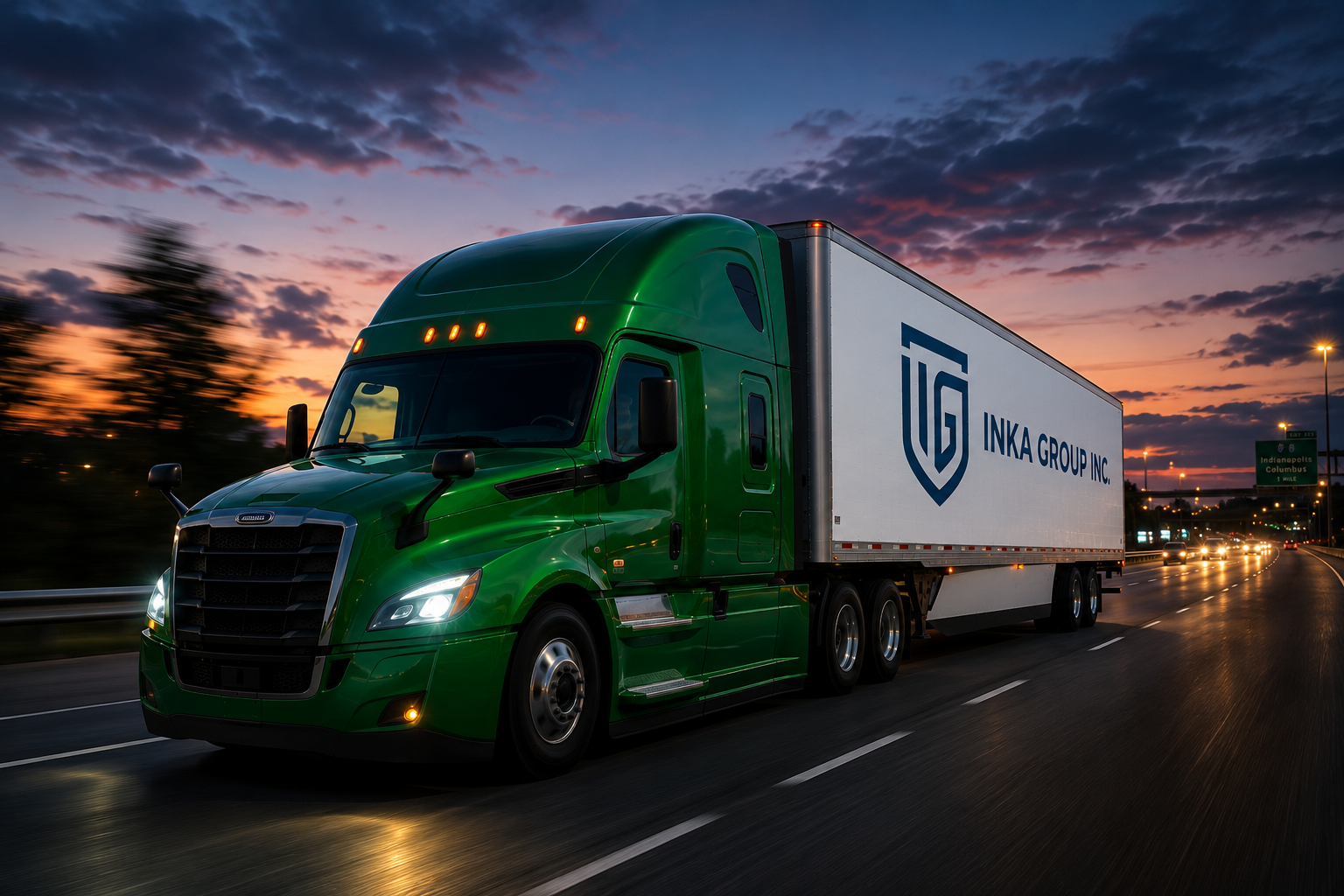
The U.S. trucking industry is entering the second half of 2026 with a cautious but strengthening outlook, especially across the over the road and regional freight sectors. After a prolonged downturn, fleets are beginning to regain their footing. While the recovery is not rapid, it is steady and far more sustainable than previous cycles.
The U.S. trucking industry is entering the second half of 2026 with a cautious but strengthening outlook, especially across the over the road and regional freight sectors. After a prolonged downturn, fleets are beginning to regain their footing. While the recovery is not rapid, it is steady and far more sustainable than previous cycles.

For companies like Inka Group, Inc, this moment marks a transition from survival mode to strategic rebuilding, where discipline, efficiency, and adaptability are starting to deliver results. Even as the industry recalibrates, Inka Group has continued to operate from a position of strength.

A Stronger Outlook for the Trucking Industry

At the same time, drivers remain engaged and increasingly curious about the long term stability of the industry. As logistics continues to prove its essential role in the economy, confidence is gradually returning, reinforcing trucking as a reliable path for the months and years ahead.

According to ACT Research, “the trucking industry exits 2025 bruised but not broken,” a statement that captures both the hardship and resilience of the past year. Weak freight demand, rising operational costs, tariff uncertainty, and compressed margins forced many fleets to tighten operations and rethink their approach. Temporary spikes in volume driven by pre tariff activity and weather disruptions did little to change the broader trajectory, leaving most carriers focused on maintaining stability rather than chasing growth.

Confidence Is Returning to the Road

That reset, however, is now proving to be a turning point. ACT Research notes that 2025 “marked the beginning of a structural capacity reset,” a trend that is continuing into 2026 and helping rebalance supply and demand across the market. As excess capacity exits the system, rate stability is beginning to return and healthier operating conditions are emerging. The recovery may be gradual, but it is being built on stronger fundamentals, with improved carrier profitability and more disciplined fleet expansion shaping the next phase.

What is setting the tone for the remainder of 2026 is not just market correction, but the growing role of technology and collaboration. Fleets that are embracing smarter management systems, real time data, and driver focused tools are gaining a clear advantage. The alignment between fleet owners, drivers, and intelligent technology is becoming the defining factor in performance. As ACT Research suggests, the next upcycle will rely less on sudden demand surges and more on operational efficiency, policy clarity, and sustained profitability. For Inka Group, Inc and others willing to evolve, this environment presents a real opportunity to build a stronger and more resilient future.

Read More
Bob Bradley Bob Bradley

What Modern Trucking Looks Like: Inside Inka Group’s Tech-Driven Operations

The trucking industry is evolving fast, and for drivers, not all companies are keeping up.

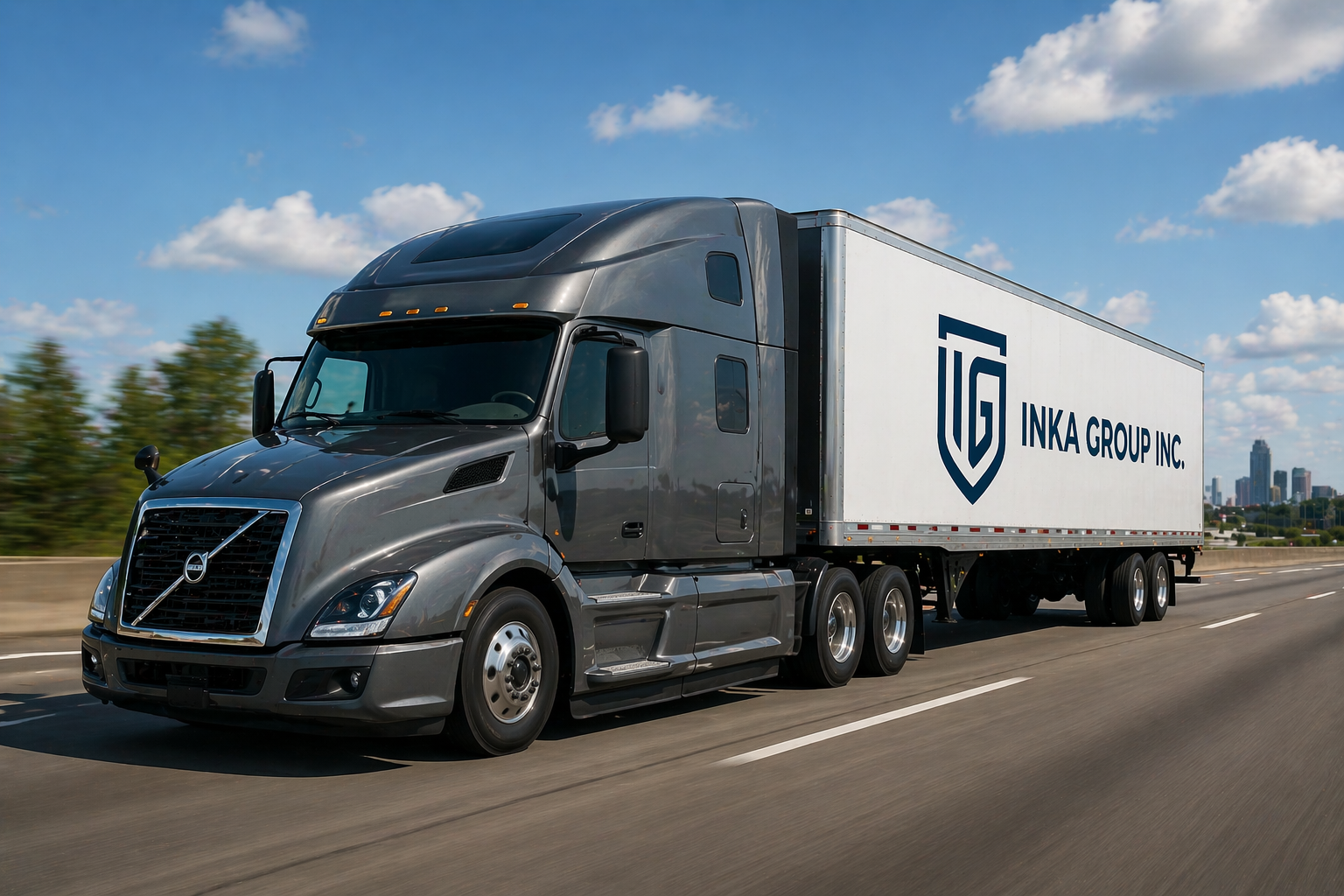
While some carriers continue operating on outdated systems and reactive dispatch models, others are investing in technology that brings structure, transparency, and efficiency to the road. Inka Group, Inc., a Naperville-based trucking and logistics company, is part of that next wave, building a modern operation designed to benefit both drivers and clients.

At the center of that transformation is a powerful shift toward technology-driven logistics.

The trucking industry is evolving fast, and for drivers, not all companies are keeping up.

While some carriers continue operating on outdated systems and reactive dispatch models, others are investing in technology that brings structure, transparency, and efficiency to the road. Inka Group, Inc., a Naperville-based trucking and logistics company, is part of that next wave, building a modern operation designed to benefit both drivers and clients.

At the center of that transformation is a powerful shift toward technology-driven logistics.

Moving Beyond Guesswork

For many drivers, one of the biggest frustrations in trucking has nothing to do with the road, it’s what happens behind the scenes. Unclear dispatch instructions. Last-minute route changes. Limited communication. Delays that could have been avoided.

Inka Group is addressing these issues head-on through the implementation of an advanced transportation management system (TMS). This system allows for real-time load tracking, optimized routing, and direct communication between dispatch, drivers, and customers.

The result is simple but impactful: fewer surprises and more control.

Drivers know where they’re going, when they’re getting there, and what’s expected, without the chaos that often defines traditional operations.

Smarter Routes, Better Miles

Technology isn’t just about visibility, it’s about efficiency.

With optimized routing built into its TMS platform, Inka Group is able to reduce unnecessary miles, improve fuel efficiency, and streamline delivery schedules. For drivers, that translates into more productive time on the road and fewer wasted hours.

In an industry where time directly impacts earnings, that kind of efficiency matters.

It also means fewer delays, more consistent schedules, and a workflow that feels intentional rather than reactive.

Real-Time Communication That Works

Communication is one of the most overlooked factors in driver satisfaction, and one of the biggest differentiators between average carriers and great ones.

Inka Group’s system creates a direct line between drivers and dispatch, eliminating the communication gaps that lead to frustration and inefficiency. Updates are shared in real time, adjustments are handled quickly, and drivers aren’t left waiting for answers.

This level of coordination doesn’t just improve operations, it builds trust.

Accountability at Every Level

For industry observers, the move toward advanced TMS systems signals something deeper than just a tech upgrade, it reflects a commitment to operational discipline. With full visibility into each load from dispatch to delivery, Inka Group is able to maintain consistent performance, meet delivery expectations, and provide accountability across the board.

That’s a major advantage in today’s logistics environment, where reliability is everything. And for drivers, it means working within a system that is organized, predictable, and built for long-term success.

A Better Experience on the Road

Modern trucking isn’t just about moving freight, it’s about creating a better experience for the people doing the work.

By investing in technology that supports efficiency, communication, and structure, Inka Group is redefining what drivers can expect from a carrier.

Less confusion. More consistency. Stronger support.

For drivers looking to align with a company that operates with purpose, and for industry professionals watching where logistics is headed, this is what the future of trucking looks like.

Read More