
The Road Ahead: Why 2026 Signals a Healthier Future for U.S. Trucking
The U.S. trucking industry is entering the second half of 2026 with a cautious but strengthening outlook, especially across the over the road and regional freight sectors. After a prolonged downturn, fleets are beginning to regain their footing. While the recovery is not rapid, it is steady and far more sustainable than previous cycles.
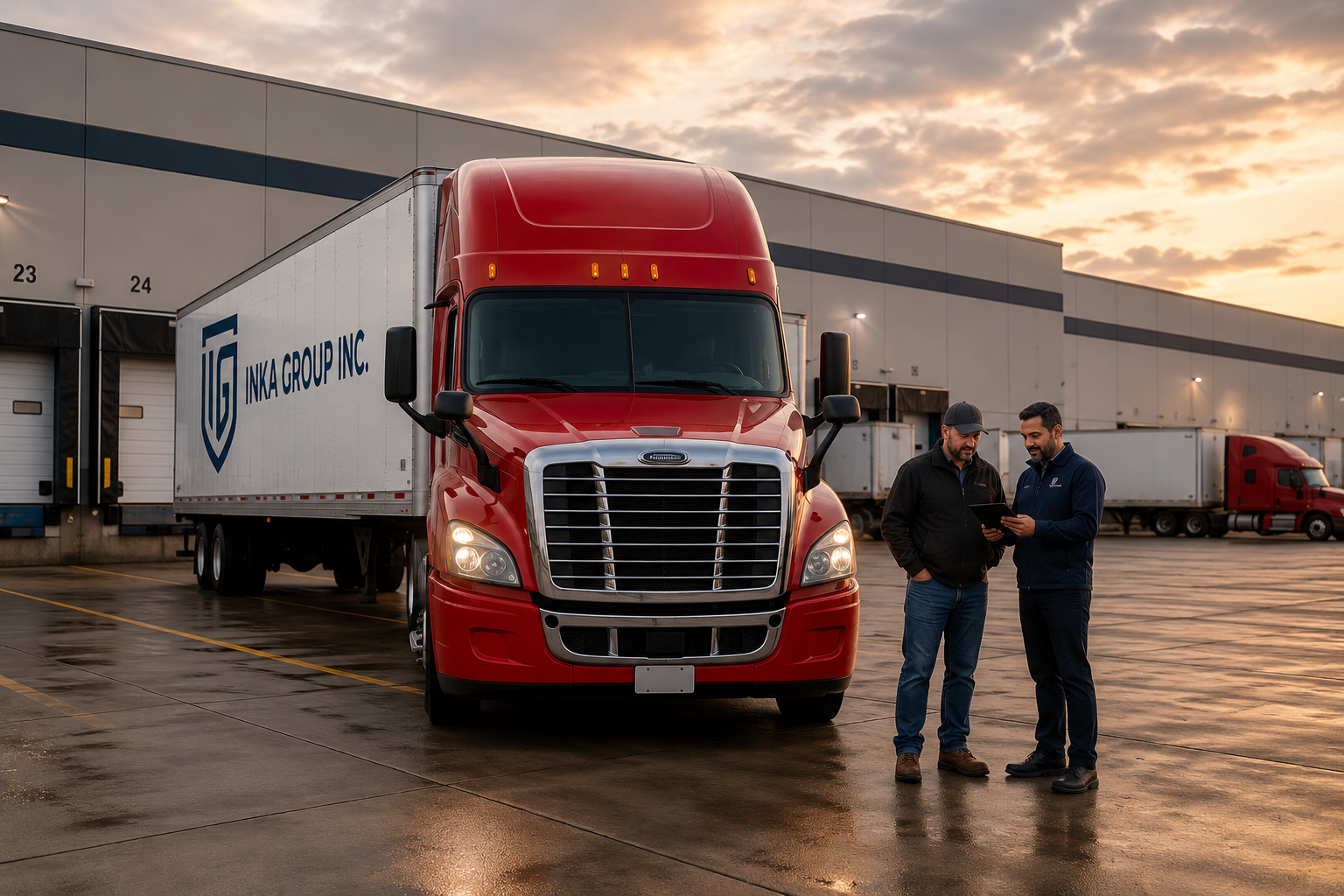
For companies like Inka Group, Inc, this moment marks a transition from survival mode to strategic rebuilding, where discipline, efficiency, and adaptability are starting to deliver results. Even as the industry recalibrates, Inka Group has continued to operate from a position of strength.
A Stronger Outlook for the Trucking Industry
At the same time, drivers remain engaged and increasingly curious about the long term stability of the industry. As logistics continues to prove its essential role in the economy, confidence is gradually returning, reinforcing trucking as a reliable path for the months and years ahead.
According to ACT Research, “the trucking industry exits 2025 bruised but not broken,” a statement that captures both the hardship and resilience of the past year. Weak freight demand, rising operational costs, tariff uncertainty, and compressed margins forced many fleets to tighten operations and rethink their approach. Temporary spikes in volume driven by pre tariff activity and weather disruptions did little to change the broader trajectory, leaving most carriers focused on maintaining stability rather than chasing growth.
Confidence Is Returning to the Road
That reset, however, is now proving to be a turning point. ACT Research notes that 2025 “marked the beginning of a structural capacity reset,” a trend that is continuing into 2026 and helping rebalance supply and demand across the market. As excess capacity exits the system, rate stability is beginning to return and healthier operating conditions are emerging. The recovery may be gradual, but it is being built on stronger fundamentals, with improved carrier profitability and more disciplined fleet expansion shaping the next phase.
What is setting the tone for the remainder of 2026 is not just market correction, but the growing role of technology and collaboration. Fleets that are embracing smarter management systems, real time data, and driver focused tools are gaining a clear advantage. The alignment between fleet owners, drivers, and intelligent technology is becoming the defining factor in performance. As ACT Research suggests, the next upcycle will rely less on sudden demand surges and more on operational efficiency, policy clarity, and sustained profitability. For Inka Group, Inc and others willing to evolve, this environment presents a real opportunity to build a stronger and more resilient future.
What Changing Driver Demographics Really Mean for Fleets Today
The trucking workforce is undergoing a quiet but meaningful shift and fleets that fail to adapt will be the first to feel the impact.
ATRI is preparing to release its highly anticipated 2026 truck driver demographics update, and it should be required reading for anyone focused on recruiting and retaining drivers in today’s evolving labor market. If the 2025 report was any indication, this next release will go beyond simple headcounts. It will provide deeper insight into who today’s drivers are, how the workforce is changing, and what fleets must do to stay competitive.
The trucking workforce is undergoing a quiet but meaningful shift and fleets that fail to adapt will be the first to feel the impact.
ATRI is preparing to release its highly anticipated 2026 truck driver demographics update, and it should be required reading for anyone focused on recruiting and retaining drivers in today’s evolving labor market. If the 2025 report was any indication, this next release will go beyond simple headcounts. It will provide deeper insight into who today’s drivers are, how the workforce is changing, and what fleets must do to stay competitive.
The latest data from the American Transportation Research Institute already makes one thing clear: the profile of the modern driver is evolving. And that shift carries implications far beyond hiring, influencing retention, day to day operations, and long term growth strategies.
An Aging Workforce Is No Longer a Future Problem
Truck driving has always skewed older, but the gap is widening. The average driver is now around 47 years old, and a large portion of the workforce is approaching retirement age.
At the same time, younger workers simply are not entering the industry fast enough. Drivers under 35 make up a much smaller share compared to the broader labor force.
For fleets, this creates a double pressure:
Experienced drivers are aging out
The pipeline replacing them is thinner than ever
This is not just a hiring issue. It is a sustainability issue.
The Industry Still Has a Diversity Gap
Despite representing nearly half of the overall workforce, women account for only about 4 percent of truck drivers.
That gap highlights a massive untapped opportunity.
The same applies to other underrepresented groups. The data suggests fleets that expand their reach beyond traditional hiring pools will have a competitive advantage.
This is less about optics and more about survival. The talent exists. The industry just has not fully engaged it yet.
Younger Drivers Want Something Different
Compensation still matters, but it is no longer the only lever.
Younger workers are prioritizing things like:
Work life balance
Company culture
Career progression
In many cases, these factors carry equal or greater weight than pay alone.
For fleets still relying on outdated messaging or rigid job structures, that mismatch can be a dealbreaker.
Barriers to Entry Are Holding Back Growth
It is not just a lack of interest from younger drivers. Structural barriers are part of the problem.
Regulations prevent drivers under 21 from operating interstate routes, and insurance costs often discourage hiring younger candidates.
Add in the broader trend of fewer young people even getting driver’s licenses, and the talent funnel narrows further.
Fleets cannot control all of these factors, but they can adapt around them.
The Rise of Non Traditional Talent Pools
One of the more important takeaways from the report is where new drivers could come from.
There is growing emphasis on recruiting from:
Former foster youth
Justice involved individuals
Workers already in adjacent transportation roles
With the right support systems in place, these groups represent a viable and often overlooked source of long term drivers.
Forward thinking fleets are already building programs to tap into these pipelines.
What This Means in Practice
Demographic change is not a trend. It is a shift that requires action.
Fleets that adapt will:
Broaden their recruiting strategy
Modernize how they present the job
Invest in training and support systems
Build cultures that appeal to a wider range of drivers
Those that do not will continue competing for a shrinking slice of the same talent pool.
The Bottom Line
The trucking workforce is evolving whether fleets are ready or not.
The companies that win in this next phase will not be the ones with the biggest budgets. They will be the ones that understand who the next generation of drivers actually is and build their business around that reality.
Inka Group Scales Trucking Operations with New Tech and Fleet Enhancements
Inka Group, Inc., an Illinois-based trucking and logistics company, today announced a new phase of strategic growth, driven by investments in advanced transportation management system technology, modern fleet upgrades, and driver-focused initiatives. The expansion underscores the company’s commitment to precision, safety, and scalable freight solutions in a rapidly evolving logistics landscape.
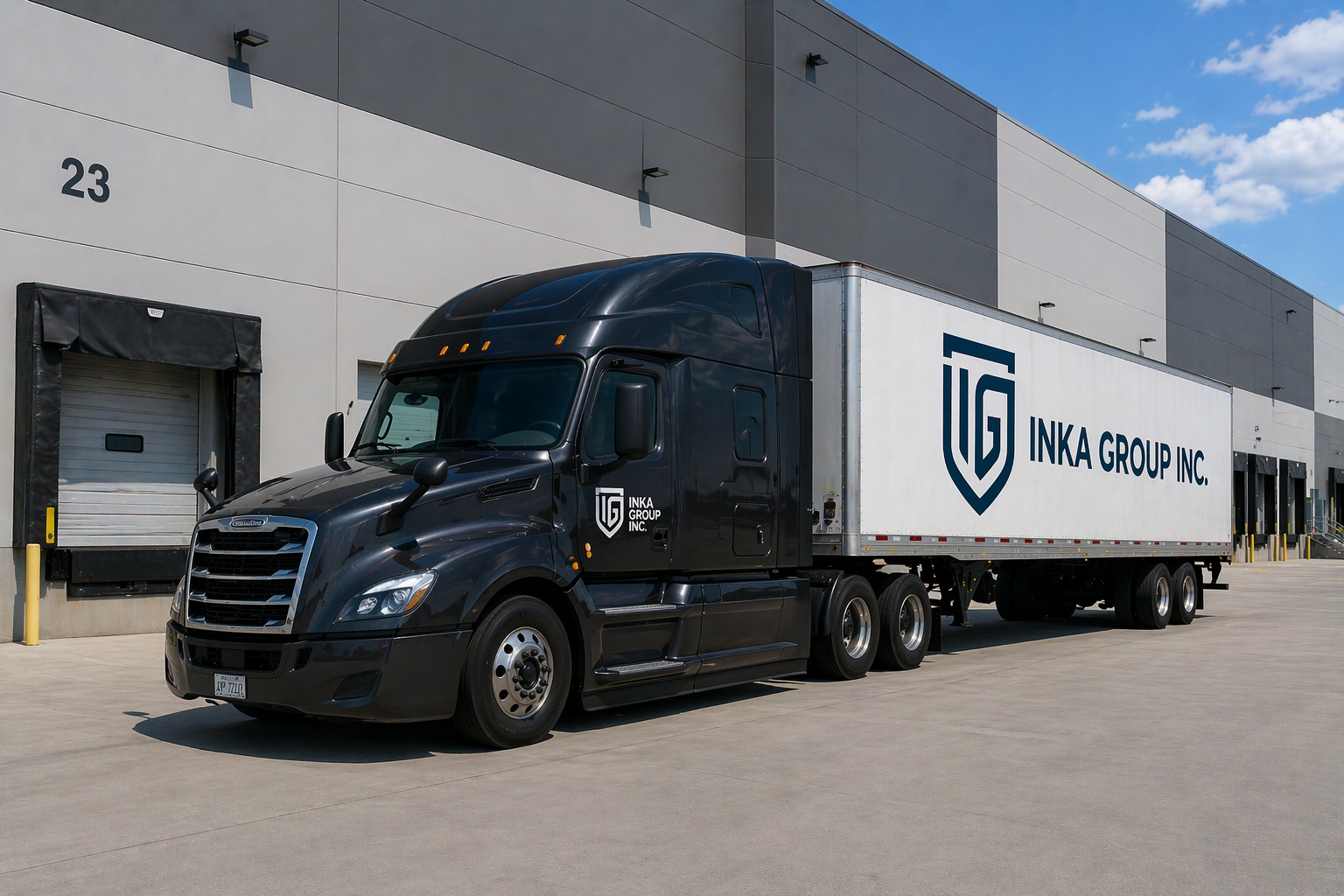
Inka Group continues to build its reputation as a reliable carrier operating with structure, accountability, and long-term performance in mind. The company’s latest initiatives are designed to improve efficiency across every stage of the supply chain while strengthening its workforce and service capabilities.
“Our growth is intentional and built on disciplined operations,” said Alexus Tran, company officer of Inka Group, Inc. “By integrating new technology, investing in our fleet, and prioritizing driver satisfaction, we are creating a stronger, more resilient logistics platform for our partners.”
Technology-Driven Operations
At the center of the company’s expansion is the implementation of a new transportation management system (TMS), enabling real-time load tracking, optimized routing, and improved communication between dispatch, drivers, and clients. This system enhances visibility and accountability while supporting consistent, on-time performance.
Modern Fleet and Safety Commitment
Inka Group, Inc. has also invested in modernizing its trucking fleet, incorporating newer equipment designed to improve fuel efficiency, reduce downtime, and enhance driver safety. Safety remains a core operational pillar, supported by rigorous driver qualification standards, preventative fleet maintenance, and strict adherence to DOT and FMCSA compliance.
Driver-Focused Growth and Culture
As part of its expansion, the company is actively growing its team of drivers and owner operators by offering competitive pay, structured operational support, and a strong emphasis on work-life balance. Inka Group provides owner operators and independent drivers with consistent freight opportunities, organized dispatch systems, and a performance-driven environment designed for long-term success.
“Our drivers are essential to everything we do,” Alexus Tran added. “We’ve built a culture that values transparency, stability, and respect—because when our drivers succeed, our entire operation performs at a higher level.”
Scalable Solutions for Long-Term Partnerships
Inka Group, Inc. operates as an extension of its clients’ supply chains, focusing on reliability, precision, and clear communication. With structured systems guiding every load from dispatch to delivery, the company is positioned to deliver scalable freight solutions that support long-term growth for its partners.
Through continued investment in infrastructure, technology, and people, Inka Group is strengthening its role in the logistics and trucking industry while maintaining the professional standards that define its operations.
For more information about Inka Group, Inc. or driver opportunities, visit the company’s website at www.inka-group.com or contact their Naperville office.
Inka Group is located at 1175 Frontenac Rd in Naperville
The Driver’s Edge: Why Better Sleep Means Better Miles
Life on the road comes with long miles, tight schedules, and unpredictable rest environments. For truck drivers, quality sleep is not just about comfort, it is directly tied to safety, focus, and long-term performance. Parking in crowded truck stops, dealing with engine noise, and adjusting to irregular schedules can make consistent rest a challenge. In today’s trucking industry, prioritizing sleep has become just as important as maintaining equipment or planning routes.
The Challenges of Resting on the Road
Creating the right sleep environment inside the cab can make a significant difference. Drivers benefit from turning their sleeper into a controlled space that is dark, cool, and quiet. Blackout curtains help eliminate outside light, while maintaining a comfortable temperature supports deeper sleep cycles. Managing noise, whether through white noise apps or simple ear protection, can reduce interruptions and improve overall rest quality, even in busy parking areas.
Comfort also starts with the right equipment. Many factory-installed truck mattresses fall short when it comes to proper support, especially over long periods of use. Upgrading to a higher-quality mattress or adding a memory foam topper can help reduce vibration from the road and improve recovery overnight. Small adjustments like better bedding or improved airflow can have a noticeable impact on how drivers feel the next day.
Managing Caffeine, Meals, and Sleep Schedules
Sleep quality is also influenced by daily habits. Late caffeine intake, heavy meals, and inconsistent schedules can all interfere with rest. Cutting off caffeine several hours before bedtime and choosing lighter meals in the evening can help the body wind down more naturally. Even short rest periods, when managed correctly, can improve alertness and performance during long shifts.
At Inka Group Trucking, driver well-being is a priority, and that includes helping drivers stay rested and ready for the road. Encouraging healthy sleep habits, investing in better equipment, and understanding the realities of life on the road all contribute to safer operations and stronger careers. Well-rested drivers are not only more productive, but also better equipped to handle the demands of modern trucking.
In an industry that never stops moving, sleep should never be treated as an afterthought. Prioritizing rest is one of the smartest decisions a driver can make, both for personal health and professional success.
What Modern Trucking Looks Like: Inside Inka Group’s Tech-Driven Operations
The trucking industry is evolving fast, and for drivers, not all companies are keeping up.
While some carriers continue operating on outdated systems and reactive dispatch models, others are investing in technology that brings structure, transparency, and efficiency to the road. Inka Group, Inc., a Naperville-based trucking and logistics company, is part of that next wave, building a modern operation designed to benefit both drivers and clients.
At the center of that transformation is a powerful shift toward technology-driven logistics.
The trucking industry is evolving fast, and for drivers, not all companies are keeping up.
While some carriers continue operating on outdated systems and reactive dispatch models, others are investing in technology that brings structure, transparency, and efficiency to the road. Inka Group, Inc., a Naperville-based trucking and logistics company, is part of that next wave, building a modern operation designed to benefit both drivers and clients.
At the center of that transformation is a powerful shift toward technology-driven logistics.
Moving Beyond Guesswork
For many drivers, one of the biggest frustrations in trucking has nothing to do with the road, it’s what happens behind the scenes. Unclear dispatch instructions. Last-minute route changes. Limited communication. Delays that could have been avoided.
Inka Group is addressing these issues head-on through the implementation of an advanced transportation management system (TMS). This system allows for real-time load tracking, optimized routing, and direct communication between dispatch, drivers, and customers.
The result is simple but impactful: fewer surprises and more control.
Drivers know where they’re going, when they’re getting there, and what’s expected, without the chaos that often defines traditional operations.
Smarter Routes, Better Miles
Technology isn’t just about visibility, it’s about efficiency.
With optimized routing built into its TMS platform, Inka Group is able to reduce unnecessary miles, improve fuel efficiency, and streamline delivery schedules. For drivers, that translates into more productive time on the road and fewer wasted hours.
In an industry where time directly impacts earnings, that kind of efficiency matters.
It also means fewer delays, more consistent schedules, and a workflow that feels intentional rather than reactive.
Real-Time Communication That Works
Communication is one of the most overlooked factors in driver satisfaction, and one of the biggest differentiators between average carriers and great ones.
Inka Group’s system creates a direct line between drivers and dispatch, eliminating the communication gaps that lead to frustration and inefficiency. Updates are shared in real time, adjustments are handled quickly, and drivers aren’t left waiting for answers.
This level of coordination doesn’t just improve operations, it builds trust.
Accountability at Every Level
For industry observers, the move toward advanced TMS systems signals something deeper than just a tech upgrade, it reflects a commitment to operational discipline. With full visibility into each load from dispatch to delivery, Inka Group is able to maintain consistent performance, meet delivery expectations, and provide accountability across the board.
That’s a major advantage in today’s logistics environment, where reliability is everything. And for drivers, it means working within a system that is organized, predictable, and built for long-term success.
A Better Experience on the Road
Modern trucking isn’t just about moving freight, it’s about creating a better experience for the people doing the work.
By investing in technology that supports efficiency, communication, and structure, Inka Group is redefining what drivers can expect from a carrier.
Less confusion. More consistency. Stronger support.
For drivers looking to align with a company that operates with purpose, and for industry professionals watching where logistics is headed, this is what the future of trucking looks like.