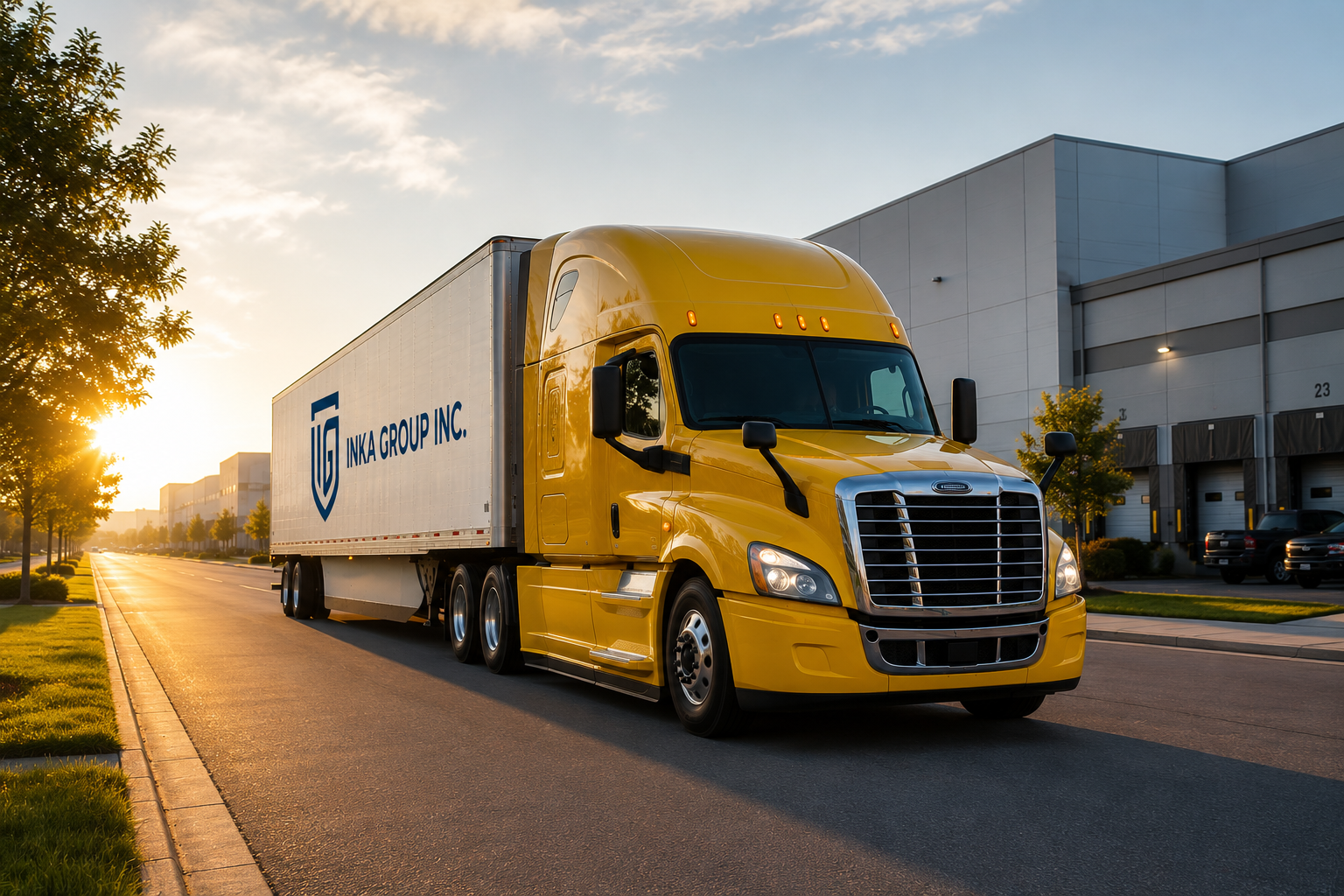
Start Your Truck Driving Career in 2026: High Demand Across the U.S. and Midwest
The demand for truck drivers across the United States, especially in the Midwest, continues to create strong opportunities for individuals seeking a stable and rewarding career. As the backbone of the American supply chain, truck drivers keep goods moving between manufacturers, distribution centers, and retailers across regional and over the road networks. For companies like Inka Group, Inc, recruiting the next generation of drivers is more important than ever as the industry evolves and expands.

The Independence and Stability of a Trucking Career
A career in truck driving offers both independence and long term stability, but it also requires commitment. Many truck drivers spend several days or even weeks on the road, traveling between locations and often working independently for extended periods of time. In addition to driving, the role can be physically demanding, with responsibilities that may include loading and unloading cargo and performing routine vehicle checks. For those who value autonomy, hands on work, and the opportunity to travel across the U.S. and Midwest freight corridors, trucking remains a highly attractive profession.
From a job market perspective, the outlook for truck driving careers remains steady. According to the Bureau of Labor Statistics, employment for truck drivers is projected to grow by 6 percent through 2030, keeping pace with the national average across all occupations. Much of the hiring demand is driven by workforce turnover, as experienced drivers retire or transition into other roles. This creates consistent openings for new drivers entering the field, particularly in high demand regions like the Midwest where logistics and transportation play a central role in the economy.
Earning Your CDL and Getting on the Road
For those looking to start a truck driving career, the path is clear and accessible. Earning a Commercial Driver’s License, completing training, and gaining real world experience are key steps to getting on the road. Leading fleets like Inka Group, Inc are investing in modern equipment, driver support programs, and smart fleet technology to create better working environments and long term career opportunities. With strong demand, competitive earning potential, and a critical role in the U.S. economy, now is an ideal time to explore truck driving jobs and build a future in the trucking industry.
The Road Ahead: Why 2026 Signals a Healthier Future for U.S. Trucking
The U.S. trucking industry is entering the second half of 2026 with a cautious but strengthening outlook, especially across the over the road and regional freight sectors. After a prolonged downturn, fleets are beginning to regain their footing. While the recovery is not rapid, it is steady and far more sustainable than previous cycles.
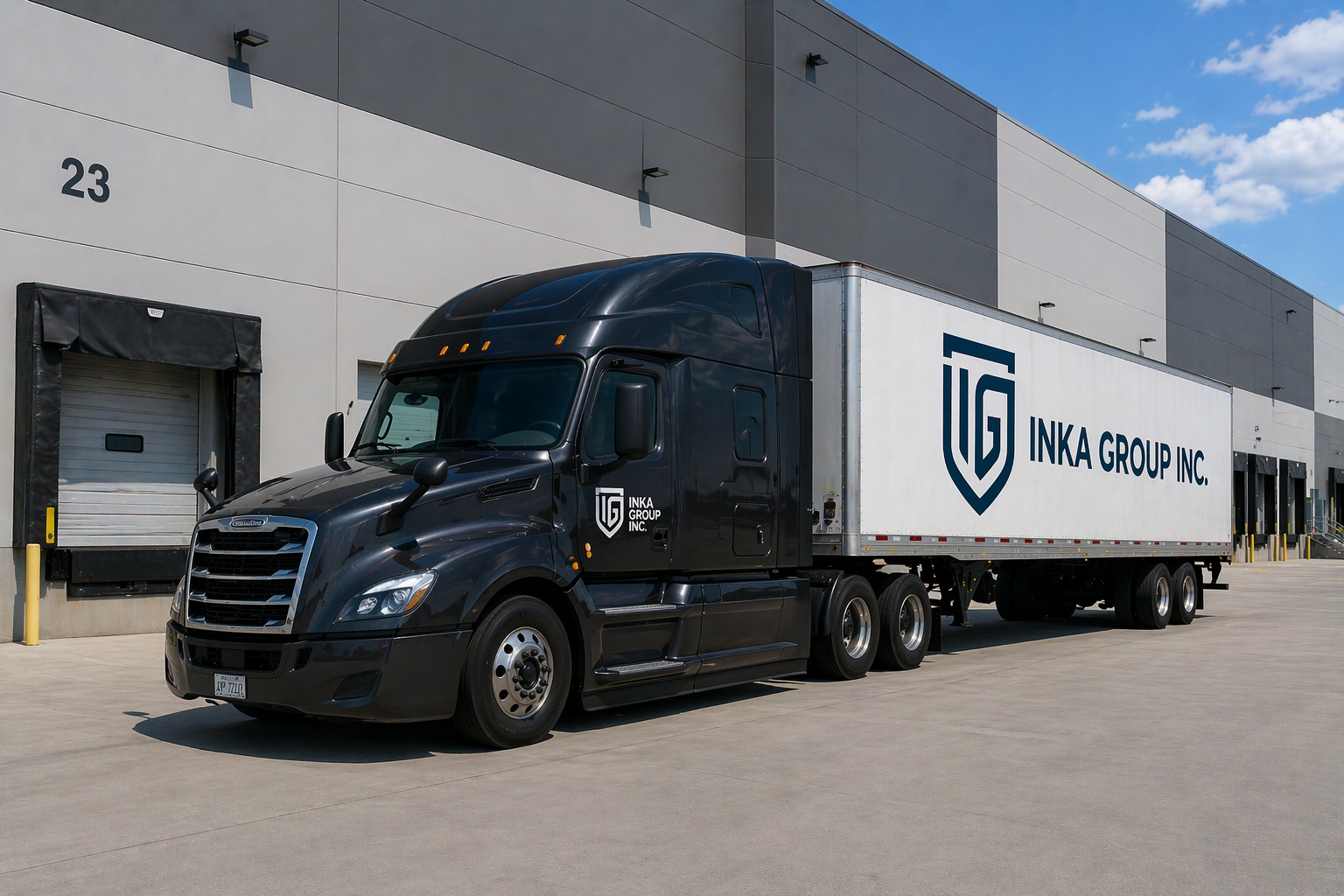
For companies like Inka Group, Inc, this moment marks a transition from survival mode to strategic rebuilding, where discipline, efficiency, and adaptability are starting to deliver results. Even as the industry recalibrates, Inka Group has continued to operate from a position of strength.
A Stronger Outlook for the Trucking Industry
At the same time, drivers remain engaged and increasingly curious about the long term stability of the industry. As logistics continues to prove its essential role in the economy, confidence is gradually returning, reinforcing trucking as a reliable path for the months and years ahead.
According to ACT Research, “the trucking industry exits 2025 bruised but not broken,” a statement that captures both the hardship and resilience of the past year. Weak freight demand, rising operational costs, tariff uncertainty, and compressed margins forced many fleets to tighten operations and rethink their approach. Temporary spikes in volume driven by pre tariff activity and weather disruptions did little to change the broader trajectory, leaving most carriers focused on maintaining stability rather than chasing growth.
Confidence Is Returning to the Road
That reset, however, is now proving to be a turning point. ACT Research notes that 2025 “marked the beginning of a structural capacity reset,” a trend that is continuing into 2026 and helping rebalance supply and demand across the market. As excess capacity exits the system, rate stability is beginning to return and healthier operating conditions are emerging. The recovery may be gradual, but it is being built on stronger fundamentals, with improved carrier profitability and more disciplined fleet expansion shaping the next phase.
What is setting the tone for the remainder of 2026 is not just market correction, but the growing role of technology and collaboration. Fleets that are embracing smarter management systems, real time data, and driver focused tools are gaining a clear advantage. The alignment between fleet owners, drivers, and intelligent technology is becoming the defining factor in performance. As ACT Research suggests, the next upcycle will rely less on sudden demand surges and more on operational efficiency, policy clarity, and sustained profitability. For Inka Group, Inc and others willing to evolve, this environment presents a real opportunity to build a stronger and more resilient future.
The Driver’s Edge: Why Better Sleep Means Better Miles
Life on the road comes with long miles, tight schedules, and unpredictable rest environments. For truck drivers, quality sleep is not just about comfort, it is directly tied to safety, focus, and long-term performance. Parking in crowded truck stops, dealing with engine noise, and adjusting to irregular schedules can make consistent rest a challenge. In today’s trucking industry, prioritizing sleep has become just as important as maintaining equipment or planning routes.
The Challenges of Resting on the Road
Creating the right sleep environment inside the cab can make a significant difference. Drivers benefit from turning their sleeper into a controlled space that is dark, cool, and quiet. Blackout curtains help eliminate outside light, while maintaining a comfortable temperature supports deeper sleep cycles. Managing noise, whether through white noise apps or simple ear protection, can reduce interruptions and improve overall rest quality, even in busy parking areas.
Comfort also starts with the right equipment. Many factory-installed truck mattresses fall short when it comes to proper support, especially over long periods of use. Upgrading to a higher-quality mattress or adding a memory foam topper can help reduce vibration from the road and improve recovery overnight. Small adjustments like better bedding or improved airflow can have a noticeable impact on how drivers feel the next day.
Managing Caffeine, Meals, and Sleep Schedules
Sleep quality is also influenced by daily habits. Late caffeine intake, heavy meals, and inconsistent schedules can all interfere with rest. Cutting off caffeine several hours before bedtime and choosing lighter meals in the evening can help the body wind down more naturally. Even short rest periods, when managed correctly, can improve alertness and performance during long shifts.
At Inka Group Trucking, driver well-being is a priority, and that includes helping drivers stay rested and ready for the road. Encouraging healthy sleep habits, investing in better equipment, and understanding the realities of life on the road all contribute to safer operations and stronger careers. Well-rested drivers are not only more productive, but also better equipped to handle the demands of modern trucking.
In an industry that never stops moving, sleep should never be treated as an afterthought. Prioritizing rest is one of the smartest decisions a driver can make, both for personal health and professional success.